PRODUCT
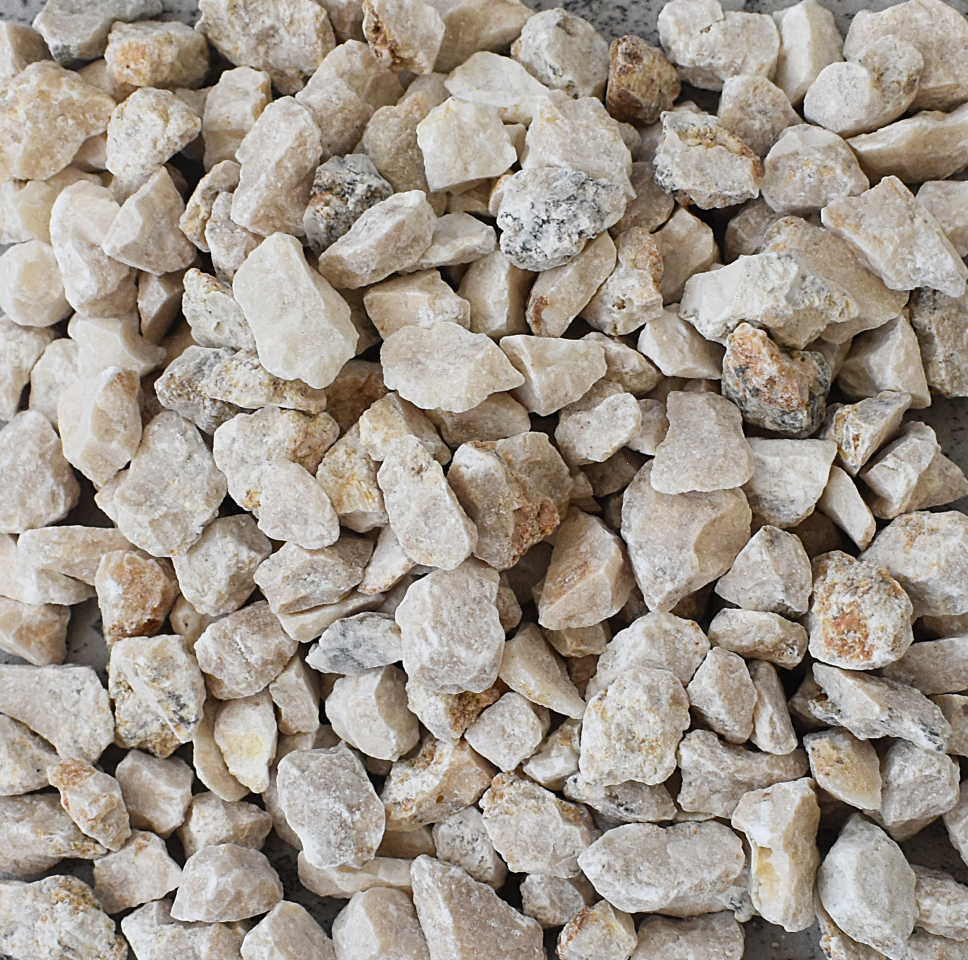
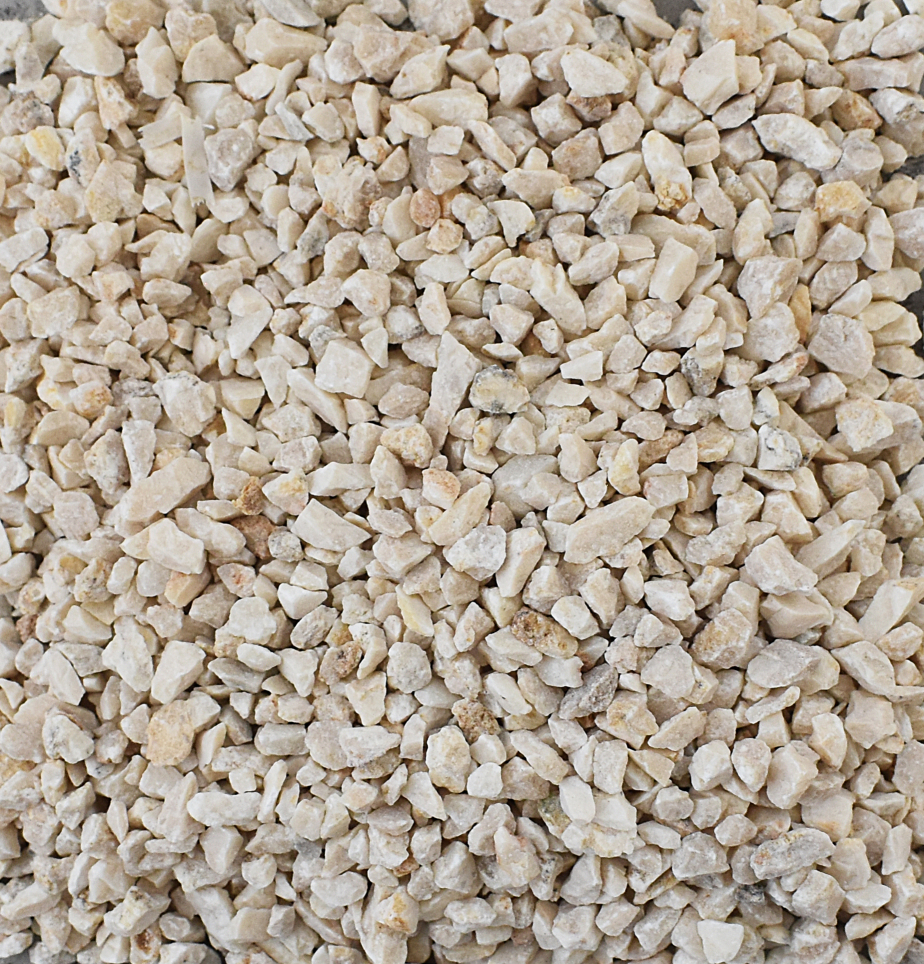
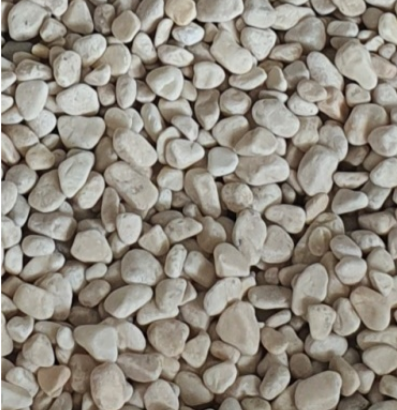
Aggregate marble chip crushed
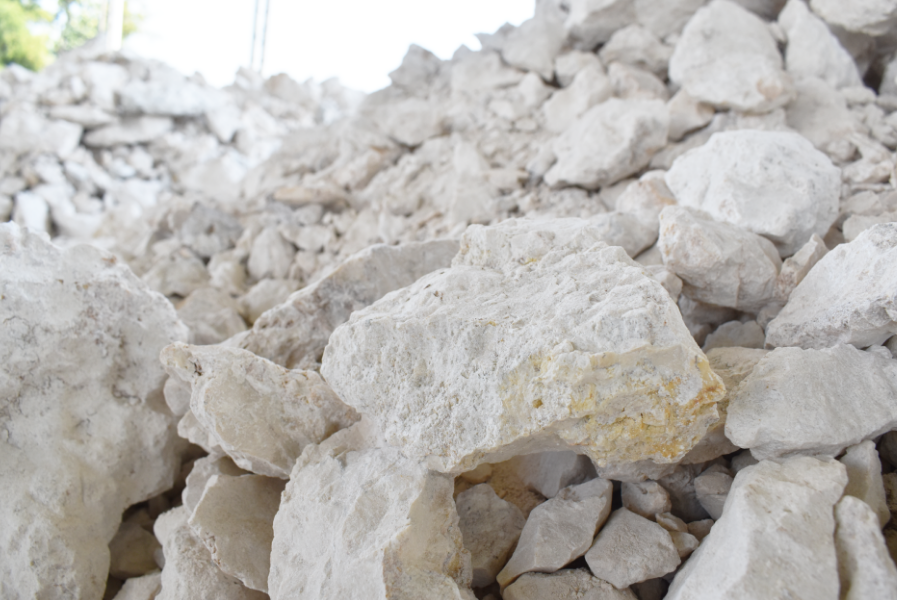
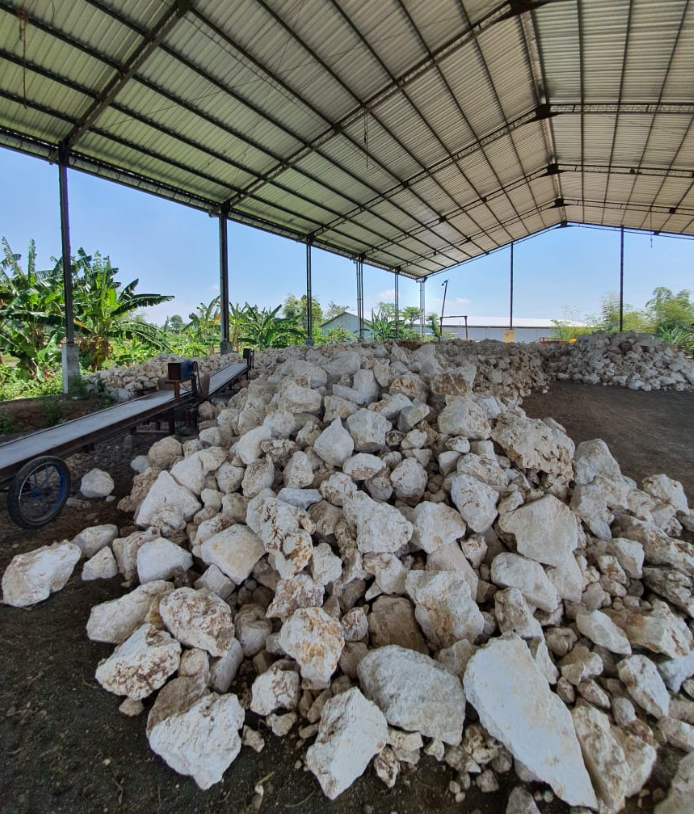
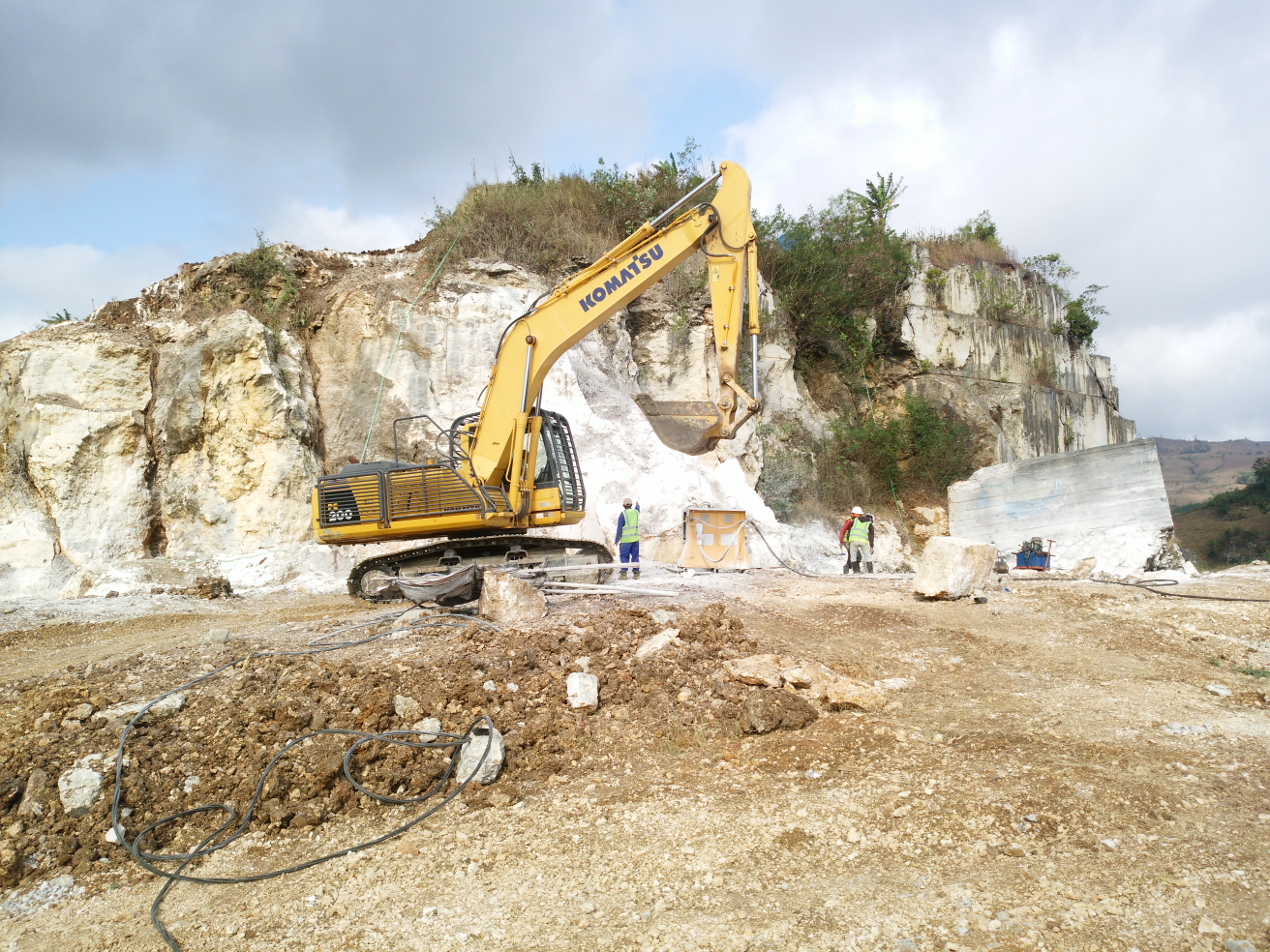
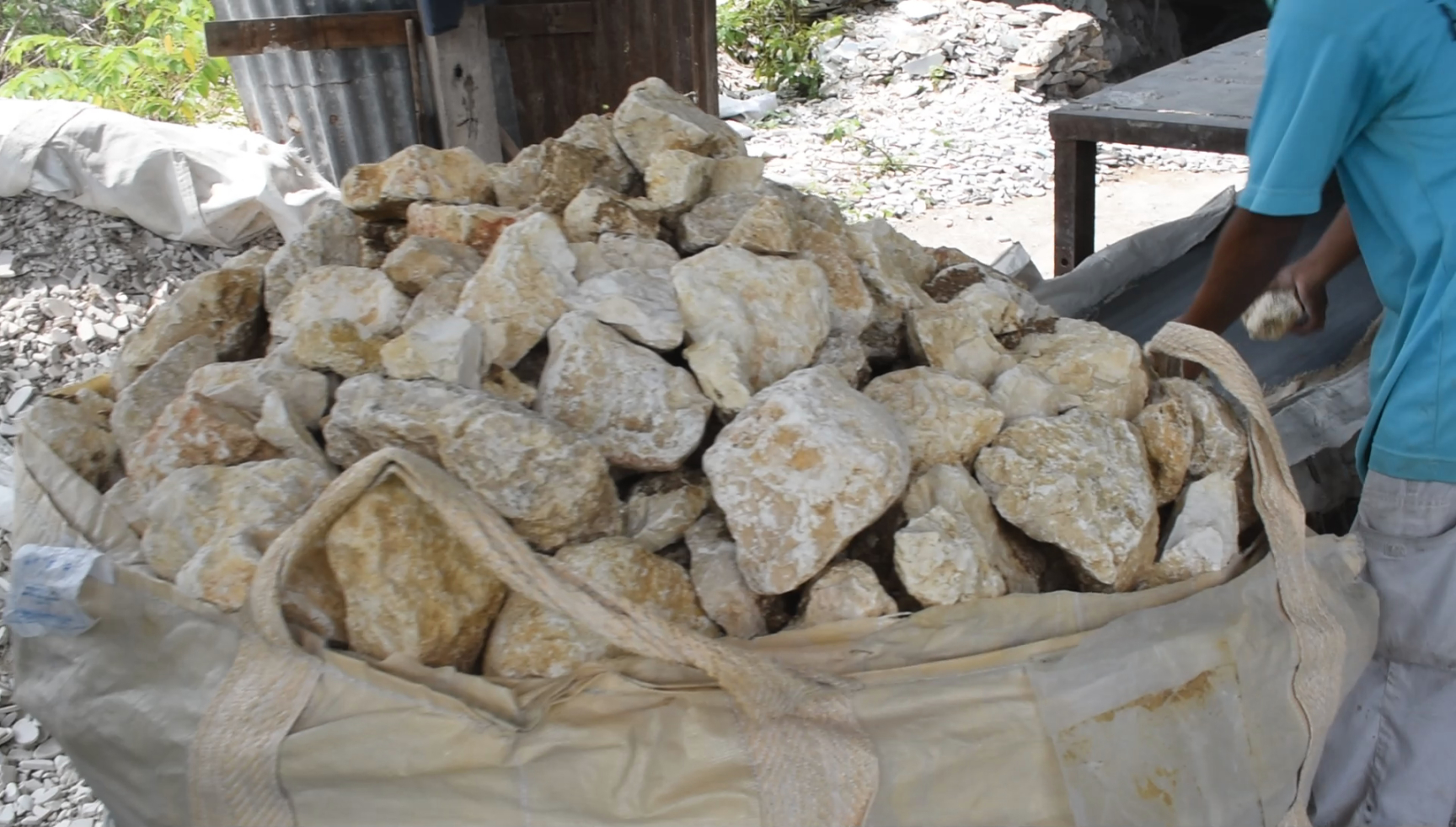
Limestone Aggregate Uses Limestone aggregates are utilized to support foundations, provide drainage, act as the skeleton for our roads and highways and are the primary constituent in the production of concrete and asphalt.
Limestone aggregates are utilized to support foundations, provide drainage, act as the skeleton for our roads and highways and are the primary constituent in the production of concrete and asphalt. Finding a locally sourced aggregate capable of meeting the specifications of your project can be a challenge. Meeting this demand with desirable crushed limestone aggregate is every producer’s goal.
Common applications for our aggregates includes:
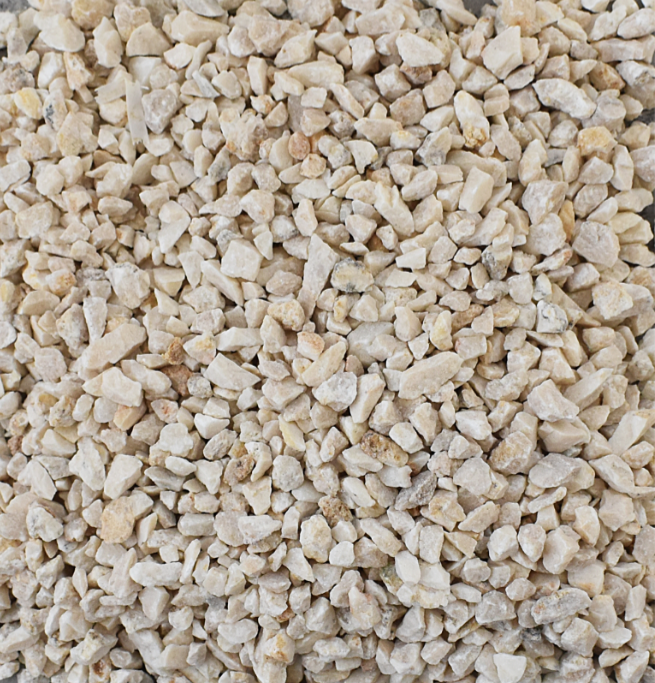
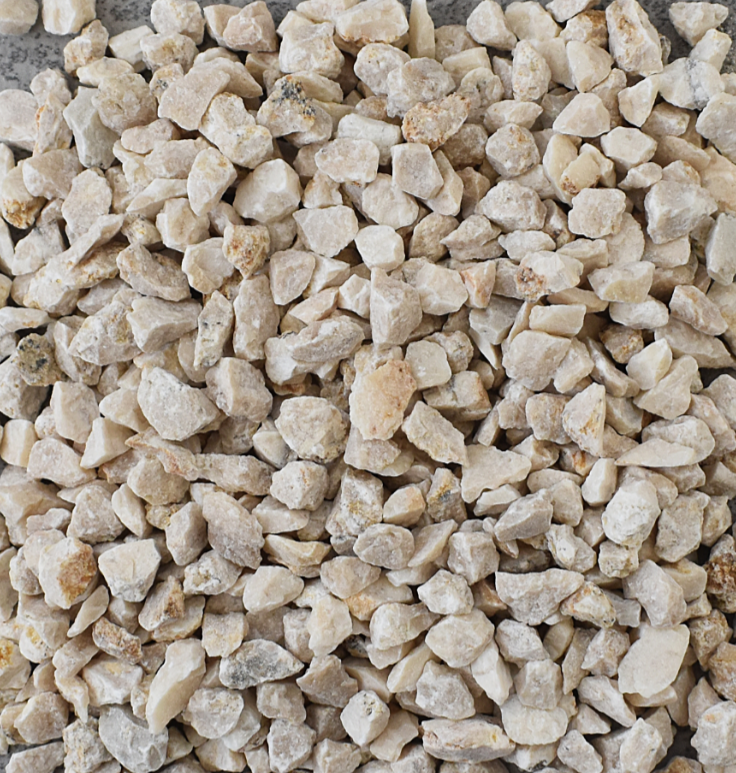
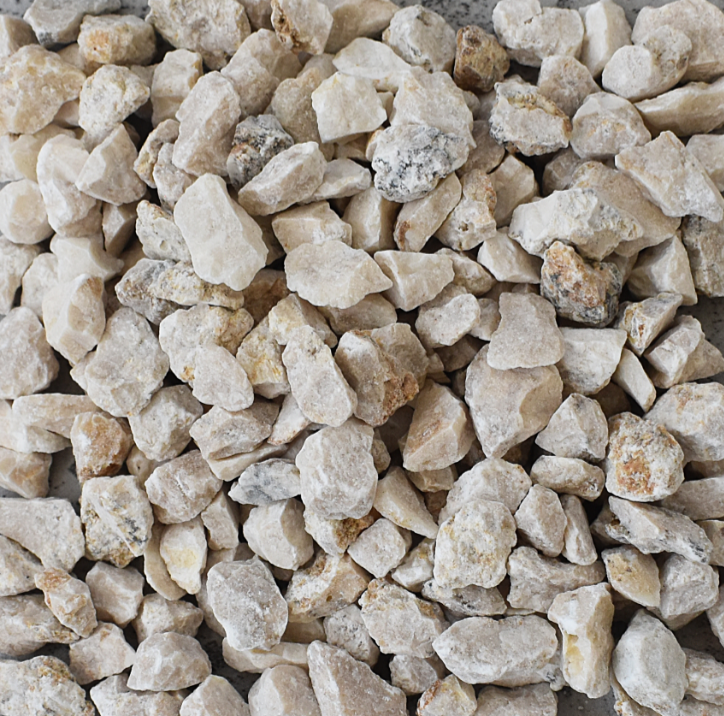
Calcium Oxyde Granule (CaO)
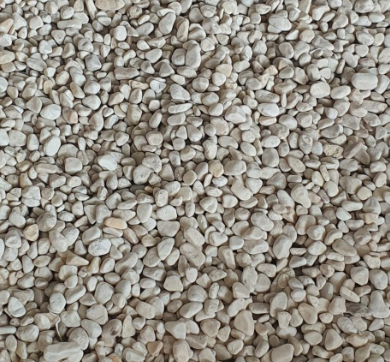

Kalsium hidroksida(CaOH2) Calcium Hydroxide
Calcium hydroxide (Ca(OH) 2 ), a soft white powder that is widely used as a raw material in the chemical industry. It forms when calcium oxide is mixed with water. The compound has two hydroxide ions (OH − ) for each ion of calcium (Ca 2+ )
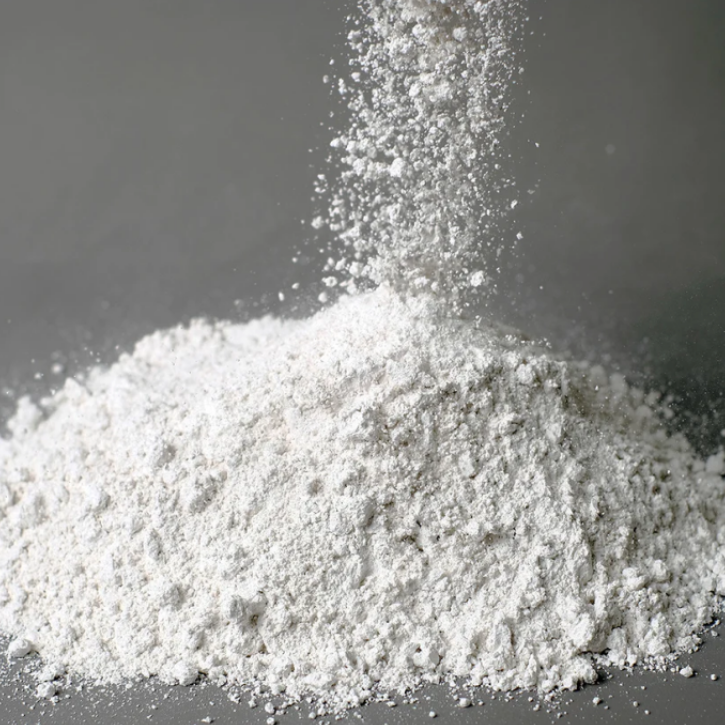
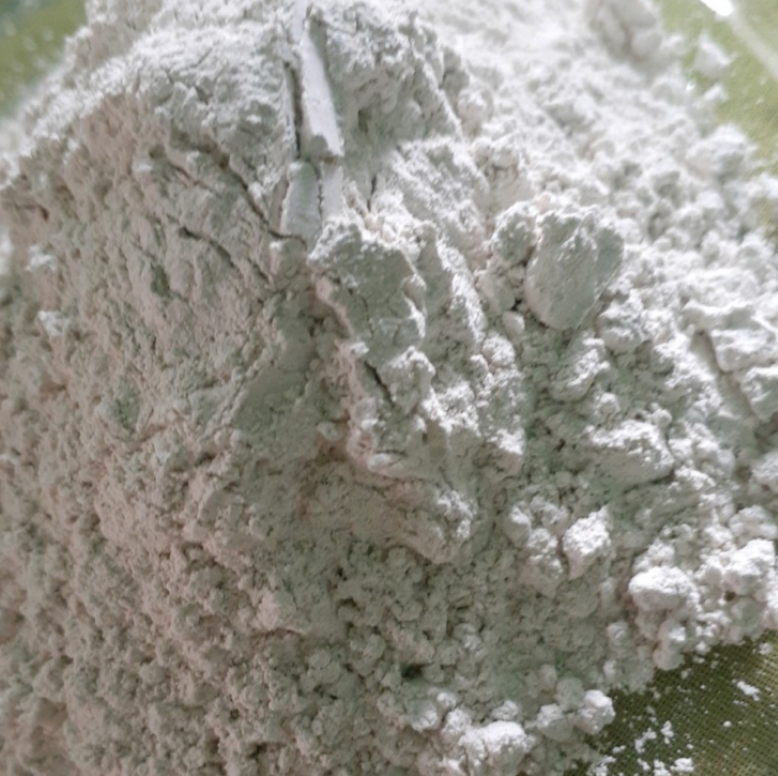
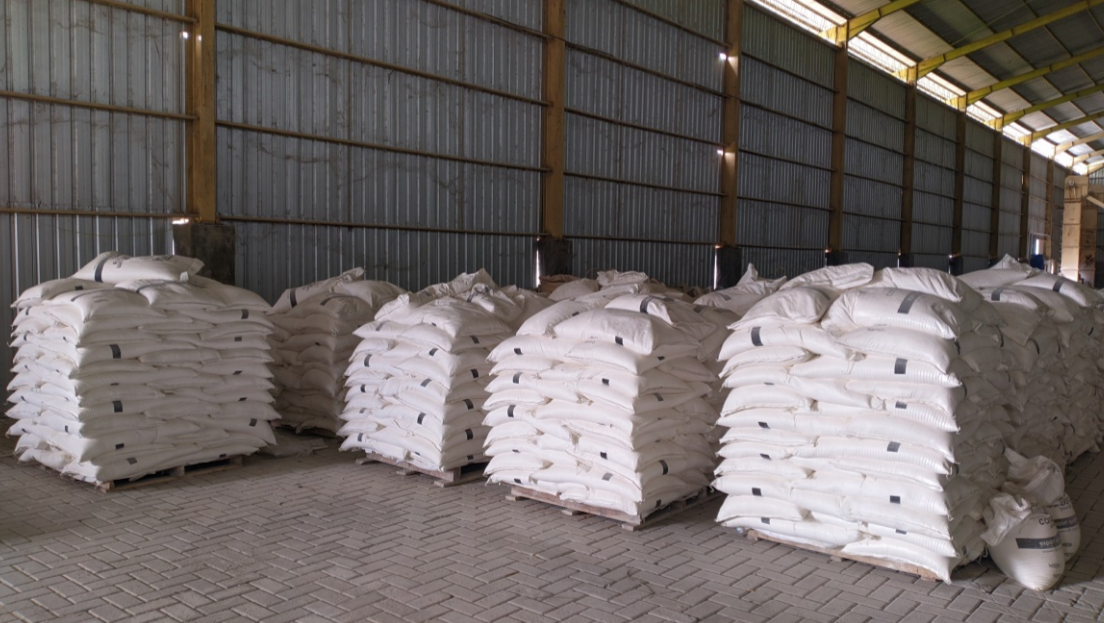
Kalsium Karbonat(CaCO3) Calcium Carbonate
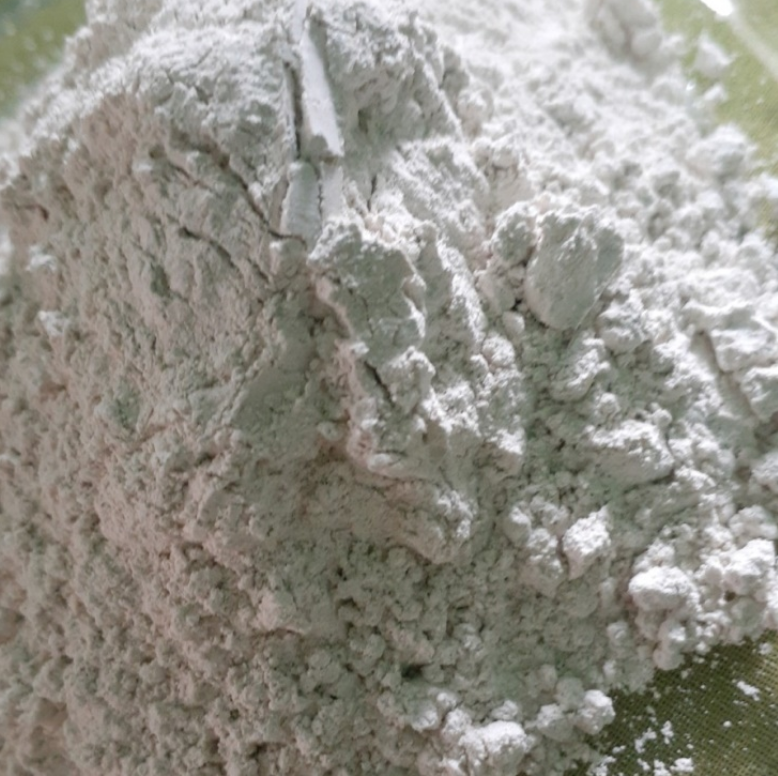
Calcium carbonate (CaCO 3 ), chemical compound consisting of one atom of calcium, one of carbon, and three of oxygen that is the major constituent of limestone, marble, chalk, eggshells, bivalve shells, and corals. Calcium carbonate is either a white powder or a colorless crystal


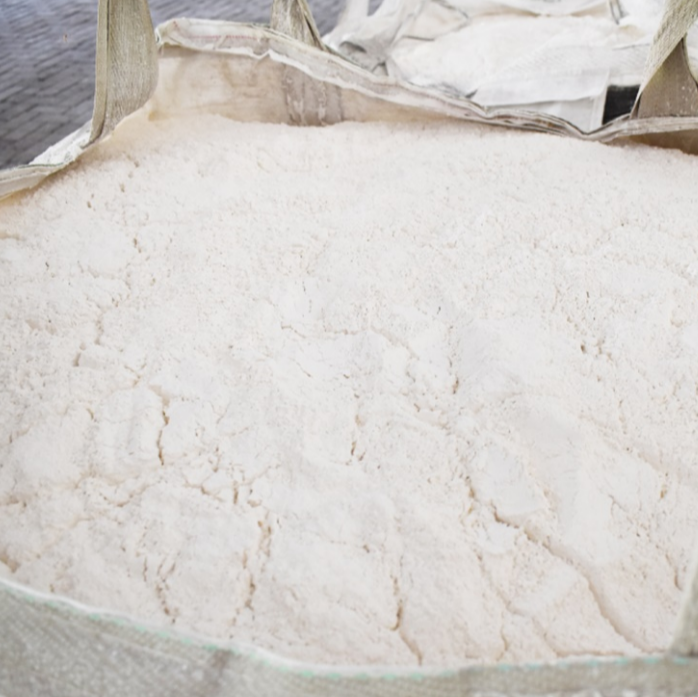
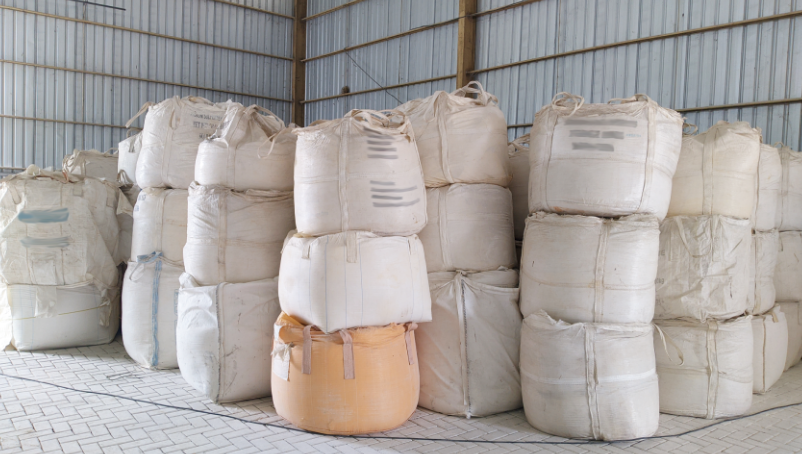
Kalsium Oksida(CaO) Calcium Oxde (QuickLIme)
Quicklime is a Calcium oxyde formed by calcining calcium carbonate (limestone) so that carbon dioxide is liberated. Quicklime is also called as burnt lime, handpicked lime, calcining lime, lump lime, or caustic lime. A caustic substance that is prepared by burning calcium carbonate limestone at approximately 900 degrees Celsius, at these high temperatures carbon dioxide is driven off and the limestone is converted to Quicklime.
A chemical compound with formula (CaO) is a whitish, odorless alkaline substance, which does not dissolve well in water. It can be used as a lining material. Major use is in various industrial processes like metal smelting, paper bleaching, Sulphur neutralization in sugar and so many.
It is used in many water and waste water treatment operations such as softening.
Quicklime is created by heating limestone as shown in the following equation:
Calcium oxide is usually made by the thermal decomposition of materials, such as limestone or seashells, that contain calcium carbonate (CaCO3; mineral calcite) in a lime kiln. This is accomplished by heating the material to above 825 °C (1,517 °F), a process called calcination or lime-burning, to liberate a molecule of carbon dioxide
(CO2), leaving quicklime behind. This is also one of the few chemical reactions known in prehistoric times.
CaCO3(s) → CaO(s) + CO2(g)
Specification
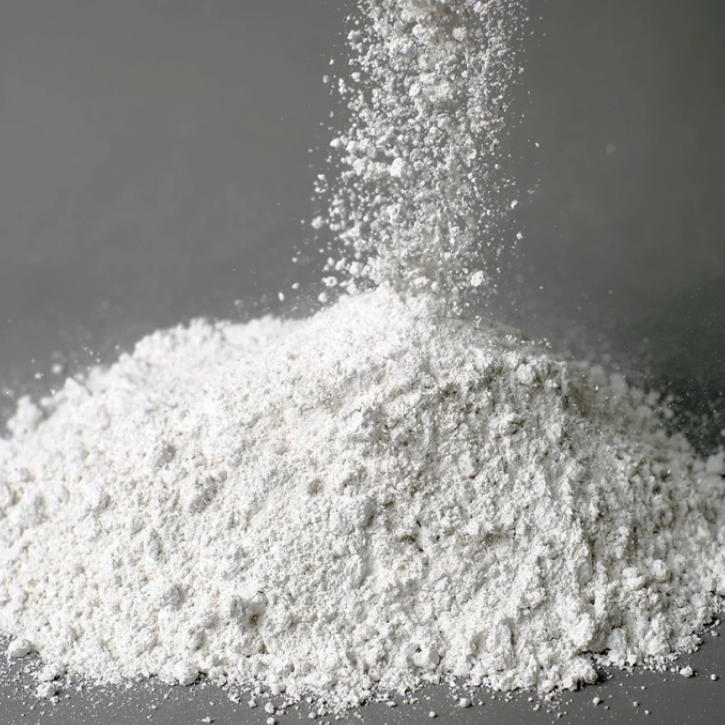
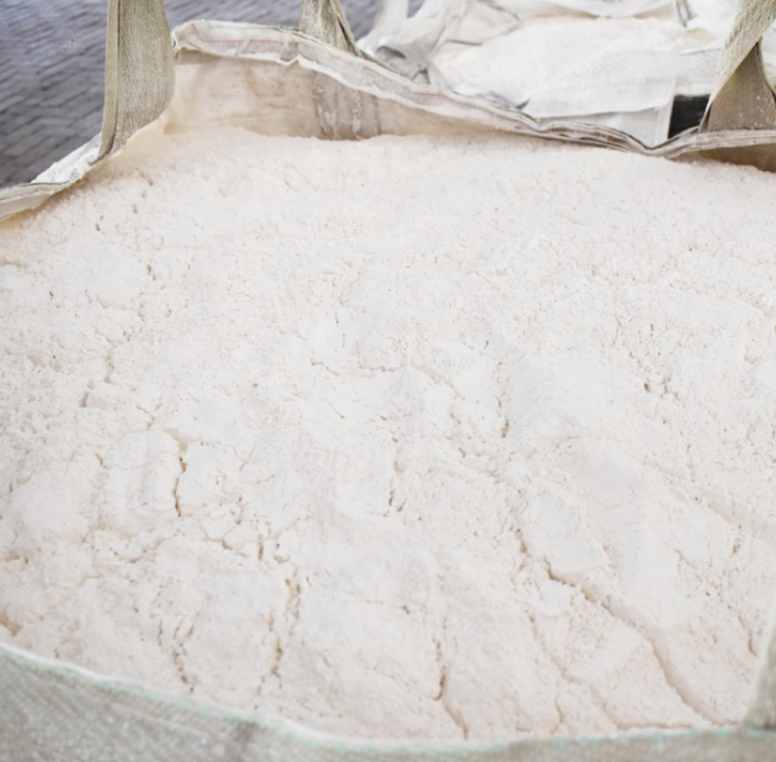
Quick Lime Powder Calcium oxide (formula: CaO), commonly known as quicklime or burnt lime, is a widely used chemical compound. It is a white, caustic, alkaline, crystalline solid at room temperature. The broadly used term lime connotes calcium-containing inorganic compounds, in which carbonates, oxides, and hydroxides of calcium, silicon, magnesium, aluminum, and iron predominate. By contrast, quicklime specifically applies to the single compound calcium oxide. Calcium oxide that survives processing without reacting in building products, such as cement, is called free lime.
Preparation
Calcium oxide is usually made by the thermal decomposition of materials, such as limestone or seashells, which contain calcium carbonate (CaCO3; mineral calcite) in a lime kiln. This is accomplished by heating the material to above 825 °C (1,517 °F), a process called calcination or lime-burning, to liberate a molecule of carbon dioxide (CO2), leaving quicklime behind. This is also one of the few chemical reactions known in prehistoric times.
CaCO3(s) → CaO(s) + CO2(g)
The quicklime is not stable and, when cooled, will spontaneously react with CO2 from the air until, after enough time, it will be completely converted back to calcium carbonate unless slaked with water to set as lime plaster or lime mortar.
Widely use of Quick Lime Powder
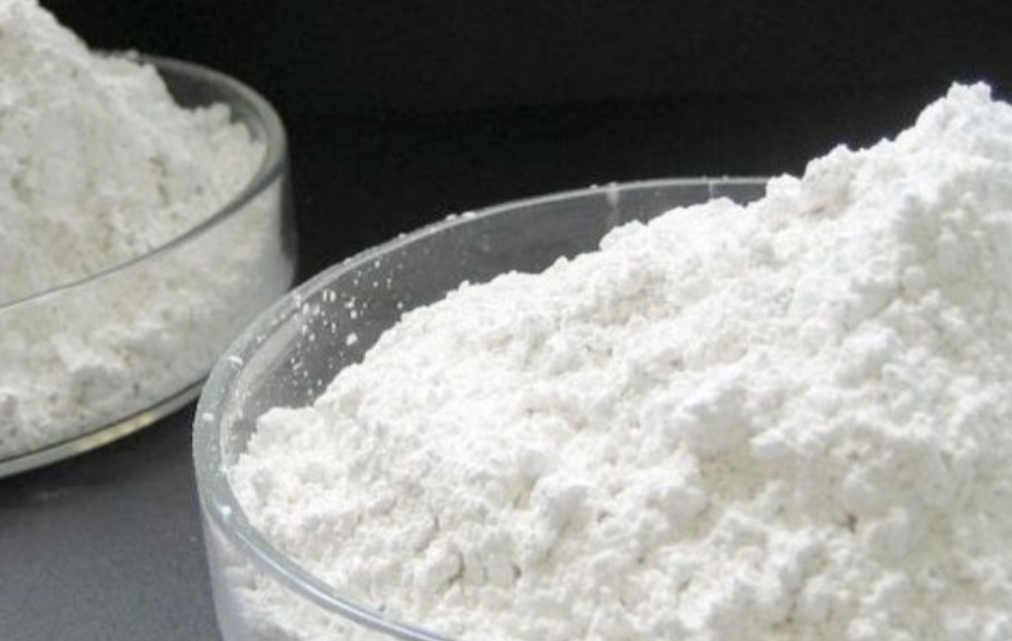
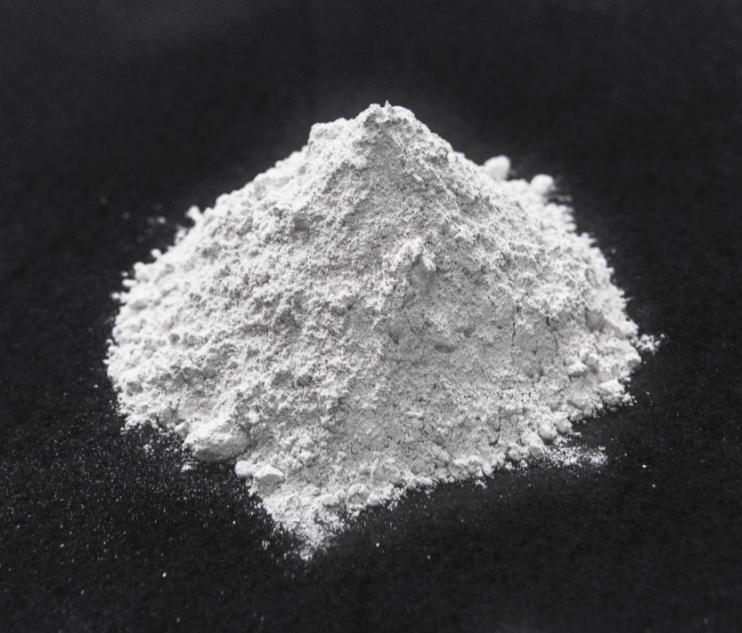
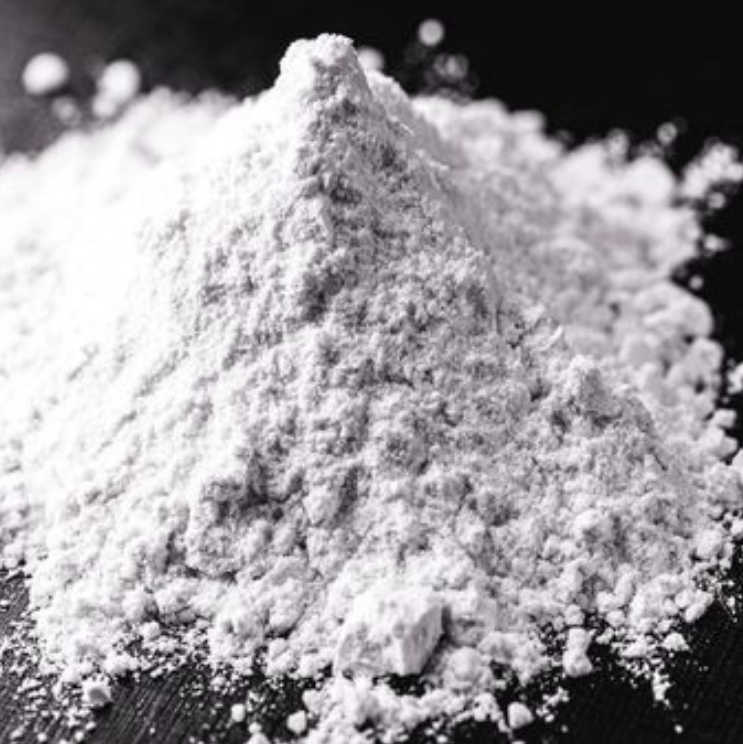
KAPTAN (Kapur Pertanian)
it not only helps regulate water quality but also brings multiple advantages to aquaculture, but also for agriculture production.
The use of calcium carbonate and lime stabilizes ammonia nitrogen levels in water, balancing the PH level, reducing harm to fish, also as a water treatment. Simultaneously, it provides calcium, promoting healthy fish growth, robust bones, and scales, increasing resistance, and adsorbing harmful substances, creating a clearer and purer aquatic environment.
Calcium carbonate plays a multifaceted role in aquaculture, promoting fish reproduction, reducing disease risks, and enhancing the efficiency of fisheries. Whether in freshwater or marine aquaculture, calcium carbonate and lime are indispensable tools, bringing sustainability and prosperity to the industry's future.
Water quality regulation:
Calcium carbonate has the ability to regulate water quality, helping maintain appropriate pH levels and carbonate balance. This is crucial for fish growth and metabolism, creating a suitable living environment.
Ammonia nitrogen removal:
Fish metabolism produces ammonia nitrogen, which is harmful to fish health at high concentrations. Calcium carbonate can facilitate the removal of ammonia nitrogen, reducing its concentration in water and minimizing harm to fish.
Water stability:
Calcium carbonate helps maintain water stability, reducing drastic changes in water quality. This aids in reducing fish stress and adaptation periods, promoting healthy growth.
Suppression of harmful substances in water:
At times, calcium carbonate can adsorb and precipitate harmful substances in water, such as heavy metals and pollutants, reducing their impact on fish.
Enhancement of aquatic microorganisms:
Calcium carbonate can provide a substrate for the attachment of microorganisms, promoting the growth of beneficial aquatic microorganisms and contributing to environmental balance in aquaculture.
Disease prevention:
Aquaculture is often threatened by diseases, leading to production losses and fish health risks. The antibacterial properties of calcium carbonate aid in preventing certain disease outbreaks, reducing disease risks in aquaculture and boosting yield and economic benefits.
Increase in mineral content:
Calcium carbonate contains ample calcium, providing the nutrition required by fish for bone and scale growth and development.
Substrate improvement:
The quality of pond or tank substrate affects fish growth and environmental health. Adding calcium carbonate can enhance substrate structure, increase sediment aeration, reduce harmful gas release, and create a more suitable habitat for fish.
Sustainable development:
Calcium carbonate is a natural non-toxic material, and its use in aquaculture aligns with modern society's requirements for sustainability.It can reduce environmental pollution, promote the sustainability of aquaculture, and provide high-quality aquatic products.

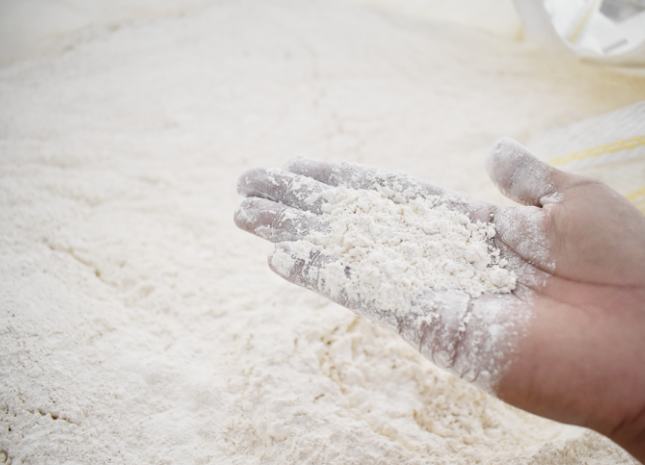
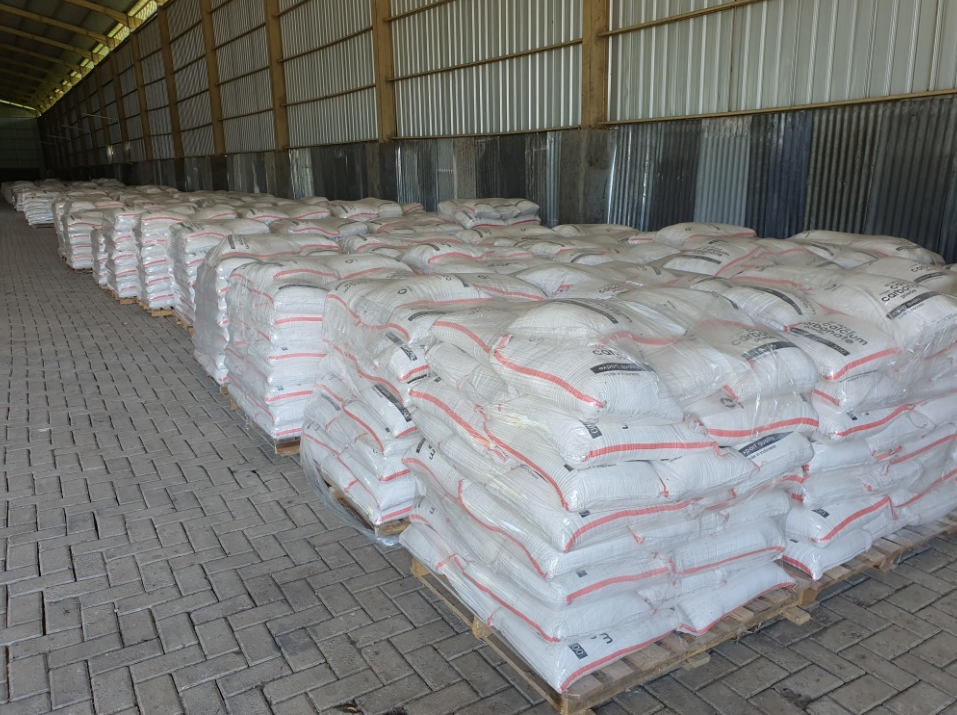
Rock Lime Stone
Limestone is one of the construction material most often used in building projects. Its long-lasting and strong advantages make many architects and engineers choose it as a safe construction material. However, apart from being used as a construction material, limestone also has benefits in other fields. Benefits of Limestone in Various industrial material. Limestone can be used as a raw material for making Cement, Ceramics, Asphalt, driveway, highway construction, railroad, bricks, Apart from that, limestone is also used in the chemical and pharmaceutical/health industries. Get to know what limestone is and the process by which it is formed. Benefits of limestone in various ways
Limestone or limestone is a natural material that is widely found in Indonesia. There are many benefits to this limestone, starting from the paint, paper, magnetic recording, detergent, plastic and cosmetic industries. Apart from that, limestone is also widely used in the building sector, as a stabilizer for roads, liming for agriculture, the cement industry, as a material for the glass industry, as a silica brick material, as a water purifying agent, etc.